
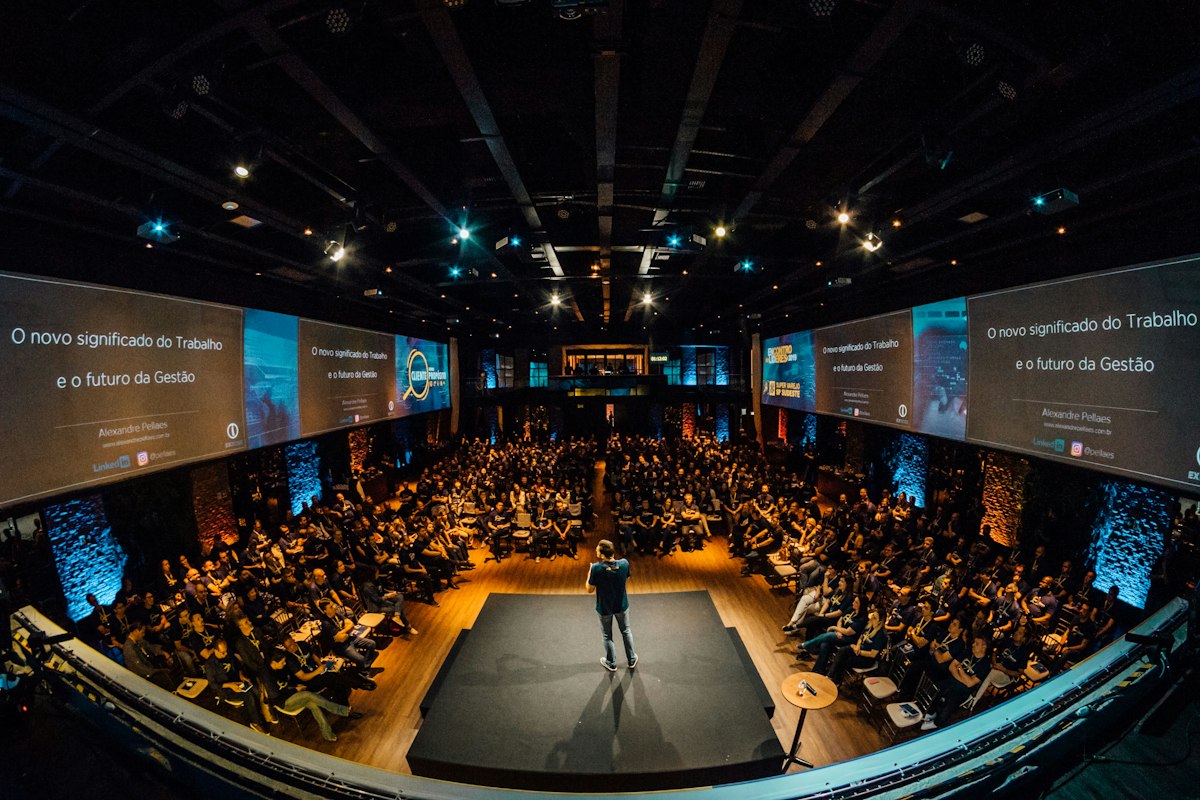
Infrastructure New Zealand's Building Nations symposium draws senior decision-makers from central and local government, infrastructure agencies, construction leadership, and policy advisors. When the programme runs across multiple days at Te Pae, the ground transport requirements extend well beyond airport transfers—coordinating ministerial movements, managing overlapping session breaks, and maintaining discretion around VIP attendees becomes the operational priority.
For government and agency travel coordinators planning delegate logistics around a multi-day symposium of this scale, the transport layer needs to mirror the professionalism of the event itself: punctual, accountable, and structured to handle last-minute itinerary changes without compromising service to other attendees.
Why symposium transport differs from corporate event transfers
A two-day infrastructure symposium presents a different operational challenge than a single-arrival conference. Delegates arrive across multiple flights the day before, often with tight connections to evening receptions or pre-event briefings. Morning sessions may require staggered hotel departures across the city to avoid congestion at Te Pae's entrance. Senior officials may hold side meetings off-site during lunch breaks, requiring vehicles to remain on standby or return within defined windows.
The difference between capable symposium transport and basic shuttle service lies in dispatch coordination. A professional operator maintains real-time visibility of every vehicle, can reassign capacity when a session overruns, and communicates directly with drivers when a ministerial aide sends a revised pick-up time fifteen minutes before departure.
Legacy operates across the South Island with an owned European fleet and employed professional drivers. That structure—ownership rather than marketplace brokerage—means the same operational standards apply whether a delegate is moving between Christchurch Airport and the city, or requires a vehicle to remain assigned for multi-leg movements across the symposium programme.
Te Pae and the Christchurch transport geography
Te Pae sits on the eastern edge of Christchurch's central retail precinct. Most visiting delegates stay within the central accommodation corridor—hotels along Colombo Street, around Cathedral Square, or near Hagley Park. These are short transfers, typically under ten minutes, but the volume and timing matter. When a plenary session closes and 200 attendees disperse to hotels before an evening function, coordination replaces distance as the primary variable.
For government travel managers, proximity also creates expectations. A delegate assumes a five-minute transfer will be five minutes. If the vehicle is delayed at the hotel or the driver is unfamiliar with Te Pae's vehicle access protocols, that short distance becomes a reputational issue for the organiser. Professional drivers who operate regularly in Christchurch understand the venue's loading zones, peak traffic patterns around the Arts Centre, and alternative approaches when Cashel Street is congested.
Flight monitoring and the ministerial arrival variable
Senior officials attending Building Nations often fly in from Wellington on morning schedules that allow limited buffer before the symposium opening. When an Air New Zealand domestic service is delayed by weather or air traffic management, a static pick-up time becomes a problem.
Legacy's operations platform monitors flight status in real time. The driver is positioned for the actual arrival time, not the scheduled one, and dispatch can communicate updated ETAs to the symposium organiser or the official's office. That capability—embedding live flight data into dispatch workflow rather than relying on manual checking—is particularly material for government movements where punctuality and discretion are both required.
The same monitoring extends to international delegates connecting through Auckland or other ports. For a symposium that convenes infrastructure leaders from Australia or the Pacific, inbound long-haul variability is managed at the platform level, not left to the delegate to communicate from the arrivals hall.
Multi-day coordination and account structures
A symposium is not a one-off transfer; it is a multi-day operation with repeating movements, evolving requirements, and multiple stakeholders. Government agencies and event organisers benefit from account-managed coordination: a single point of contact who understands the full programme, consolidated billing across all movements, and the ability to adjust vehicle allocation as delegate numbers or itineraries shift.
Legacy's proprietary platform supports that structure. Vehicles are dispatched centrally, GPS tracking provides live location visibility, and billing is consolidated by account rather than fragmented across individual bookings. For a travel manager coordinating a ministerial delegation, a corporate attendee group, or a full agency contingent, that operational consolidation reduces administrative overhead and provides audit-ready records.
Beyond the symposium: South Island extension itineraries
Building Nations draws attendees whose roles involve infrastructure investment, regional development, and construction projects across New Zealand. It is common for delegates to extend their visit—site visits to Christchurch regeneration projects, meetings in Timaru or Ashburton, or inspections of South Island transport corridors.
A multi-region operator with South Island coverage can extend the same service standard beyond the symposium itself. Whether the requirement is a half-day charter to assess a Canterbury water infrastructure project or a multi-day itinerary taking officials through West Coast or Otago developments, the vehicle, driver professionalism, and dispatch coordination remain consistent.
For government and infrastructure sector travel coordinators, the value lies in continuity: the same operator, the same account relationship, and the same operational reliability that supported the symposium now supports the broader South Island programme.