
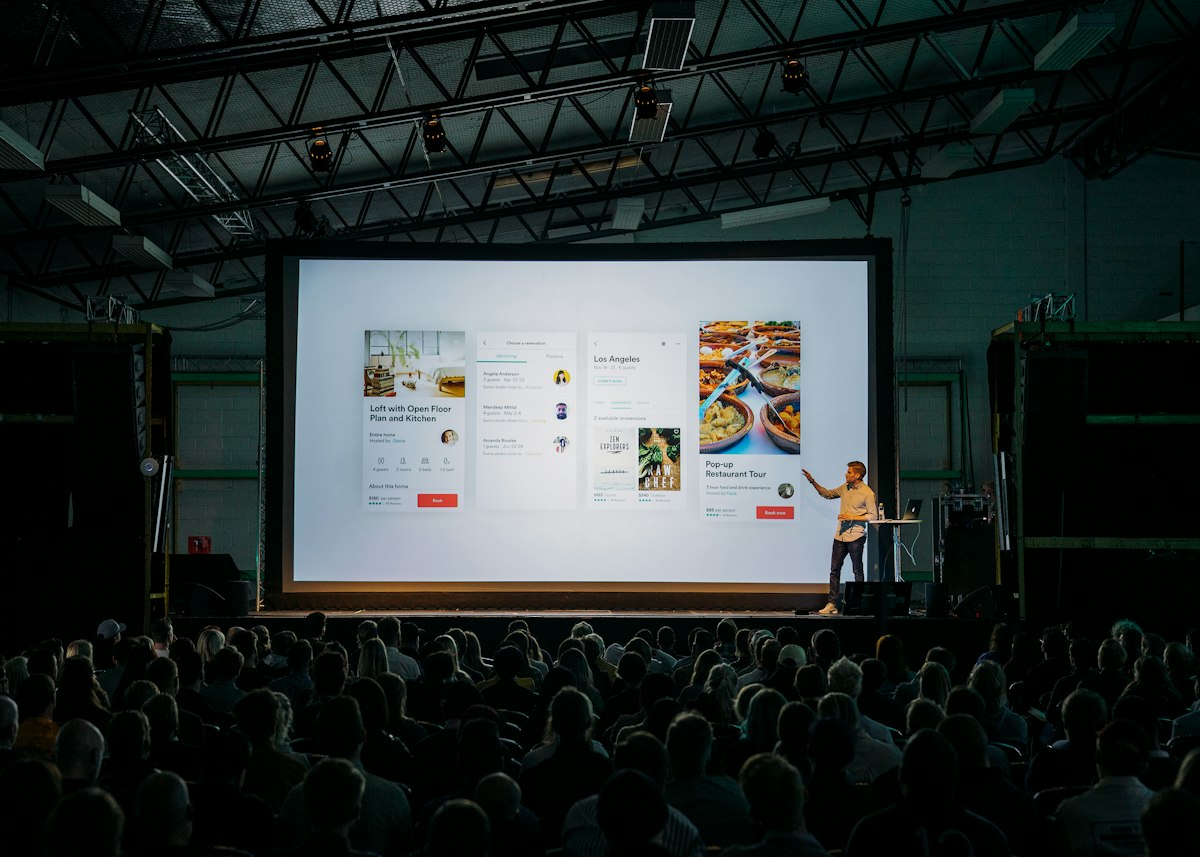
When a global association brings hundreds of international delegates to Christchurch for a multi-day congress, the transport brief extends well beyond venue shuttles. Delegates arrive on staggered flights across multiple days. Morning sessions require punctual hotel-to-venue movements. Evening programmes take groups to South Island venues an hour or more from the city centre. Post-conference extensions send smaller cohorts to Akaroa, Kaikōura, or the high country.
The Professional Conference Organiser carries the delivery risk. Ground transport sits on the critical path: a missed airport pickup or a coach delayed en route to an opening ceremony becomes the story delegates take home.
Ahead of the International Play Association Triennial World Conference in Christchurch, the transport requirement illustrates the operational shape of a large-scale international association event—and why PCOs working with offshore clients specify an operator with owned fleet, employed drivers, and a real platform managing the sequence from first arrival to final departure.
Why association conferences stress-test transport operations
Association events differ materially from corporate incentive groups. Delegate manifests change daily. International flights feed arrivals across a 48-72 hour window. Departure patterns mirror this spread. The PCO typically manages registration, AV, catering, and sponsorship; ground transport must integrate without adding coordination overhead.
Te Pae Christchurch Convention Centre anchors most large international congresses in the South Island. The venue's central location—within the rebuild precinct—places it 15-20 minutes from Christchurch Airport under normal flow, but delegate accommodation spreads across multiple hotel clusters. Morning session starts require staggered hotel pickups timed to a fixed venue door-open. That choreography relies on live dispatch and driver communication, not static manifests printed the night before.
Mid-conference social programmes add logistical layers. A hosted dinner at a Banks Peninsula vineyard, a plenary reception at Christchurch Art Gallery, or a post-conference extension to Hanmer Springs each require different vehicle configurations and lead times. The operator needs range: sedans for VIP speaker movements, vans for small breakout groups, and coaches for full delegate transfers.
What PCOs specify when tendering South Island conference transport
Professional Conference Organisers issuing transport RFPs for Christchurch events look for three operational signals: multi-region capability (the operator covers airport, city, and regional movements from one dispatch point), owned assets (vehicles and drivers are employed, not brokered), and a platform that handles real-time flight monitoring and live vehicle positioning.
Flight tracking matters acutely for international association events. A delegate flying Auckland–Christchurch connects through a long-haul arrival into Auckland; if that inbound service from Singapore or Sydney delays by 90 minutes, the domestic connection pushes back or the passenger moves to a later service. The driver needs to be positioned for the actual arrival time, and the PCO needs visibility without making phone calls. Operators running proprietary dispatch platforms feed live flight data into driver assignments; marketplace models relying on third-party suppliers cannot close that loop consistently.
Vehicle presentation and driver conduct carry reputational weight when the client is an international federation or society. Delegates form an impression of New Zealand's professional standards within the first 20 minutes of landing. A late-model European sedan with a professional driver in branded livery sets a different tone than an unmarked vehicle with a contractor using a printed card.
Christchurch and South Island regional access
Christchurch serves as the operational gateway to the South Island's full touring circuit. While Te Pae handles the conference programme, pre- and post-event extensions are standard for long-haul international delegates. Akaroa sits 90 minutes from the city; Kaikōura two hours north; Arthurs Pass and the West Coast alpine route require full-day or overnight itineraries.
PCOs bundling these regional components into the conference package need an operator with coverage beyond Christchurch's urban core. A multi-city operator with South Island fleet and driver resources can dispatch a vehicle from Christchurch to meet a group in Queenstown, or coordinate a staged itinerary from Christchurch through the Mackenzie Basin to Queenstown without handing the passenger between contractors. That continuity matters for duty-of-care and billing simplicity.
Canterbury's seasonal weather—nor'west wind events, winter snow on inland routes, occasional spring flooding—requires operator familiarity with alternative routing and real-time road condition monitoring. A driver employed by the operator and trained on South Island routes reads conditions differently than a gig contractor running GPS alone.
Account-managed service for multi-day conference programmes
Large association events generate dozens of individual transport movements across a compressed window: airport pickups, hotel shuttles, VIP speaker transfers, partner programme excursions, and departure transfers. The PCO needs a single invoice reconciled against a quoted package, not per-trip receipts from multiple suppliers.
Legacy operates an account-managed model for conference and MICE clients. A single point of contact manages the manifest from RFP through to post-event reconciliation. Changes—additional pickups, revised departure times, an unplanned transfer for a keynote speaker—flow through one communication line, not a call centre queue. The operations platform holds the full delegate movement schedule; dispatch sees the same master plan the PCO sees.
Billing consolidates vehicle hours, wait time, and any after-hours or regional components into a single statement. For offshore associations working through a New Zealand PCO, that simplicity reduces finance administration and provides the audit trail required for member-funded events.
The operator capability that underpins repeatable delivery
International association conferences return to Christchurch on multi-year cycles. The IPA Triennial World Conference represents the scale and operational tempo common to medical societies, scientific federations, and professional associations choosing New Zealand for global or Asia-Pacific congresses. These events test whether an operator can deliver the full delegate journey—not just one leg—with the consistency a PCO will stake their client relationship on.
The differentiator is structural: owned fleet, employed drivers, a real operations platform, and multi-region coverage. Those capabilities let the operator absorb the complexity the PCO would otherwise carry. The result is a transport programme that runs as infrastructure, not as a coordination task.
For conference organisers tendering ground transport for Christchurch association events—or evaluating operators for South Island incentive and touring programmes—the question is whether the operator owns the capability or brokers it. The former scales predictably; the latter introduces handoff risk at every join.